



Hi friends—Kayti here. Happy final Friday of June (what?!).
Summer is officially in full swing, as is the infamous “June Gloom” in Los Angeles. The sky is gray and moody in the mornings, which I secretly love—it reminds me of the years I lived in London for grad school (a different life, when having a cigarette with my peers felt cool, and I never thought about toxins or how things might be affecting my fertility).
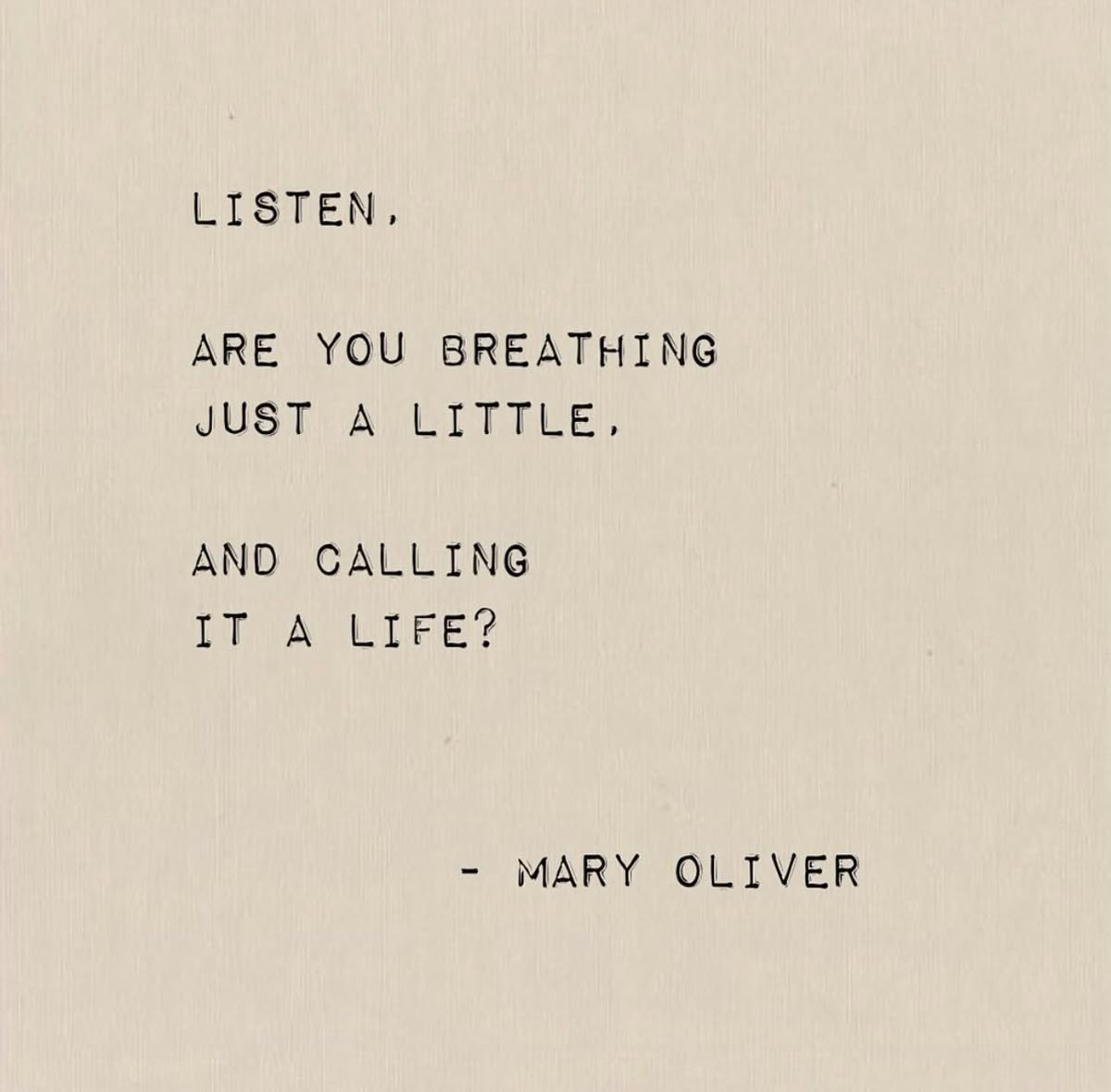
One of the things I found most helpful during my 4-year infertility/IVF journey was relying on nostalgia to remind myself that my life is so much bigger and fuller than needles and negative pregnancy tests. As someone who can very easily get tunnel vision, reminiscing on things like travel, pubs, and all the memories that make up my life outside of trying to get pregnant was crucial in my darkest moments.
As we shared on the podcast this past week, my daughter was born last June, so I’ve been reflecting a lot on the journey it took to get to her. While I’m not currently in the thick of infertility or IVF treatments, my life still feels very much marked by that season. Reminiscing on this past year of postpartum, and the 10 months of pregnancy anxiety before that, I’m realizing a lot of the habits I relied on during infertility treatments have also helped me regulate my nervous system and come back to myself when I feel overwhelmed now.
Sharing them here in case any resonate, or so you can borrow them if you need them. They aren’t unique, and I am sure you’ve heard them before, but they are worth sharing because they can actually be life-changing. Feel free to share your own daily habits in the comments below—we’d love to hear them.
🩷 5 daily habits for surviving infertility
A simple skincare routine. When I started diving into Reddit threads to prepare myself for postpartum, one piece of advice was consistent: take a shower, brush your teeth, and wash your face (daily). This landed because these were small daily habits that could literally change my mood instantly while going through infertility. Having a face wash and moisturizer that I loved—and even a sheet mask or eye patches—made me feel like I was caring for myself despite the world crashing down around me. It helped me wake up and feel just 2% more put together. It's actually magical how two minutes in front of the sink with a good cleanser can make you feel like a different person.

Reading a physical book. I wish I had read more while going through infertility, because my headspace changes so much when I'm reading a book as opposed to scrolling on my phone. Having a good novel on hand for waiting rooms and for comfort and escape at the end of the day is one of the best acts of self-care. I even sleep better when I read instead of scrolling Reddit or social media at night (who would have thought). Here’s what I’m currently reading.
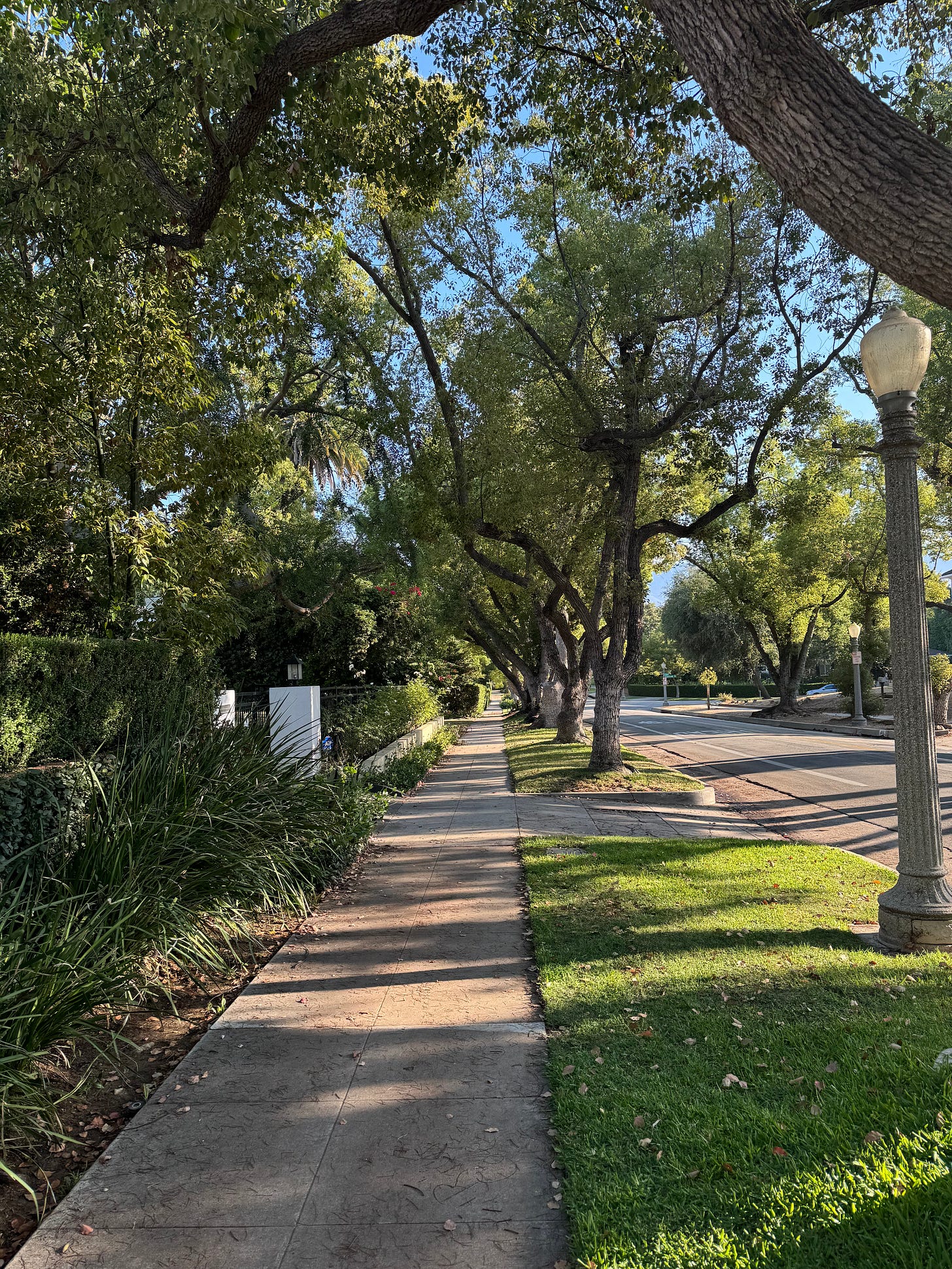
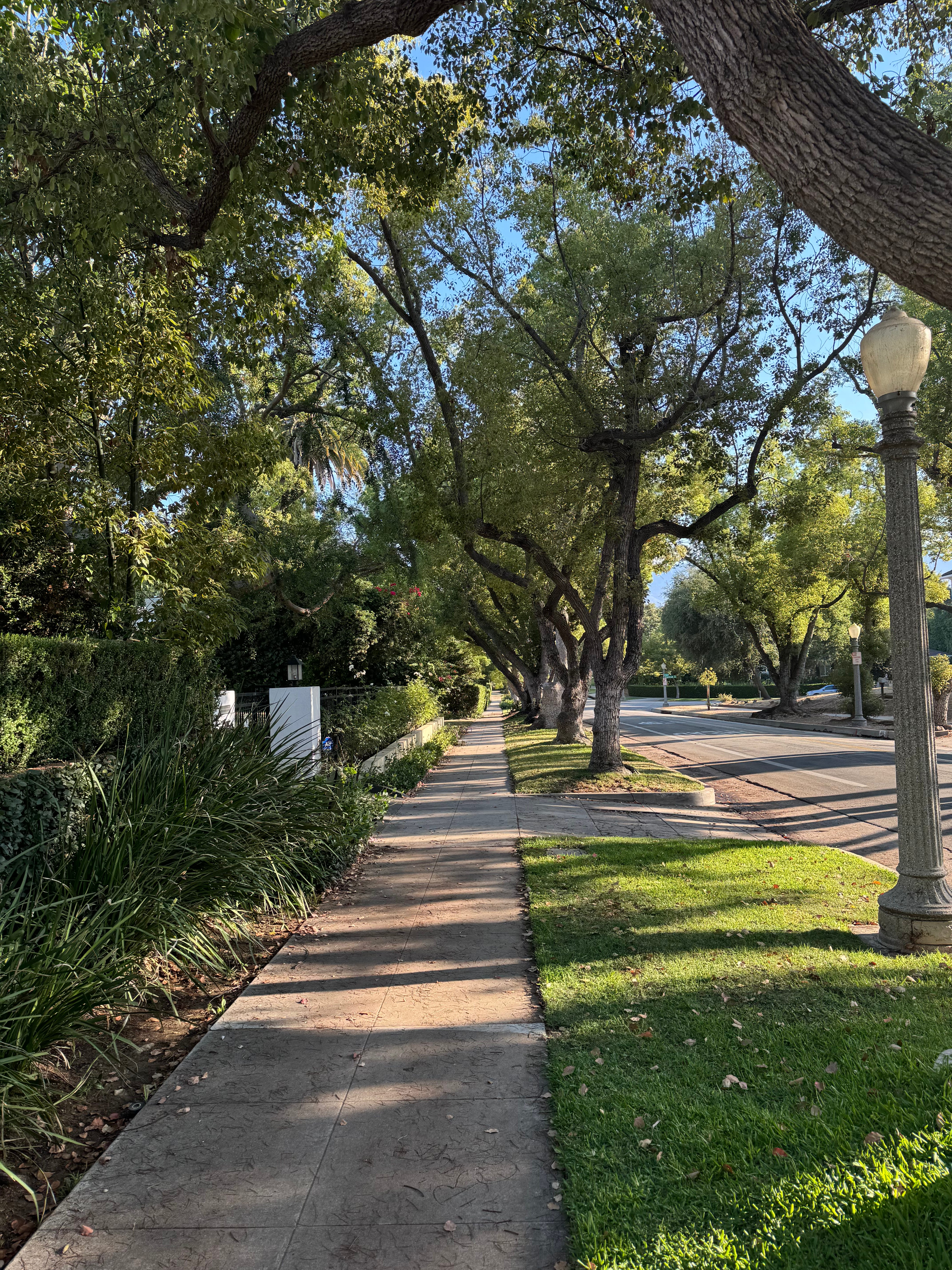
Walking outside. As someone who works a desk job and can quite literally survive indoors for multiple days, getting outside and going for a walk around my neighborhood is paramount to clearing my head. This is usually when I remember to breathe and drink water. Also, seeing the trees, the sky, and other people helps with the tunnel vision.
Dopamine hugs. The science shows: hugs boost our mood. And as someone who rarely slows down and forgets to breathe, pausing to embrace my husband for 15-20 seconds throughout the day calms my nervous system and helps me feel safe. Try it the next time you’re feeling anxious or overwhelmed.
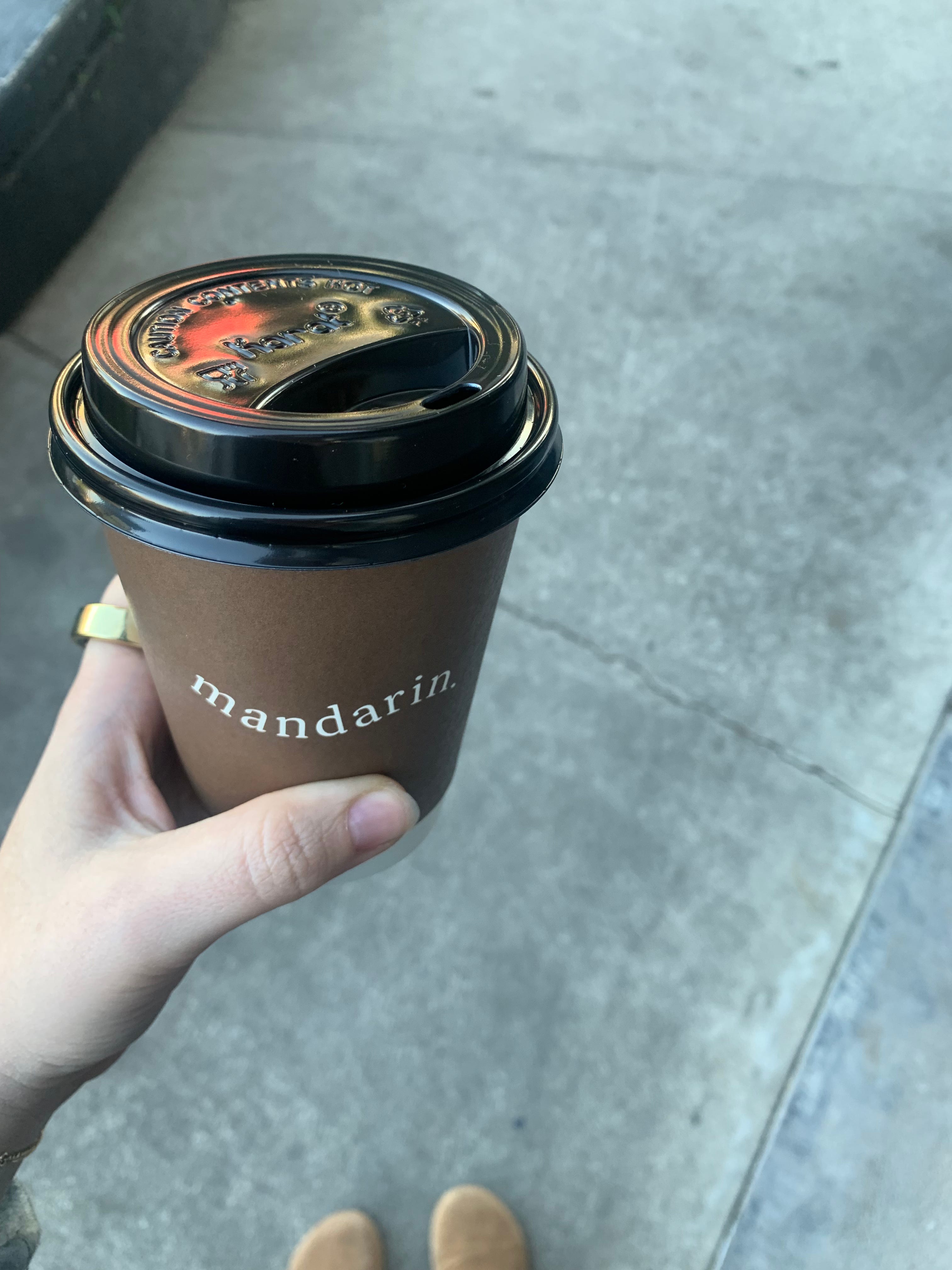
Daily treats. Of course, this is on the list! During postpartum, I never limited myself when it came to treats. This included getting a daily iced coffee, ordering takeout at the end of the week, splurging on a fancy bottle of wine, picking up fresh flowers for the house. I realized this habit came from my years of infertility and IVF, because treats were literally how I survived some days—the comfort of my favorite coffee after a hard IVF appointment, ordering sushi to eat on the couch when I got my period (again), etc. The treats help!!!

🎧 new on the pod:
It only took us a year, but we’re finally talking about the birth story. This is part one of a two-part episode and includes discussions of pregnancy and a traumatic birth experience. Guard your heart if needed 🩷
Listen on Spotify, Apple Podcasts, or YouTube!
🪩 a special discount for listeners
This summer, we’re partnering with Tempdrop, a basal body temperature sensor with an accompanying fertility app to help you identify your fertile window. If you’ve ever used an oral thermometer to track your BBT, this is a game-changer for getting more accurate data without setting your alarm in the morning.
Today only, you can save 30% by stacking our code (AFFRIEDEGGS) with the 20% off prime deal on their site!!
weekend mood:

June Gloom and a podcast episode about surviving infertility - there's something fitting about that. I loved that you named the cigarette and the toxins in the same breath. The way we look back on what we didn't know yet is its own kind of grief and relief at the same time.
LOVE LOVE LOVE! I am not going through this but I can understand how deep this moment is of course, and focusing on little steps and routines like those are the best way to keep going. Taking care of yourself, and appreciate the simple things always worked for me!
Thank you for sharing that with us!